Blurring Boundaries- Curved Windows in Sustainable Biophilic Design

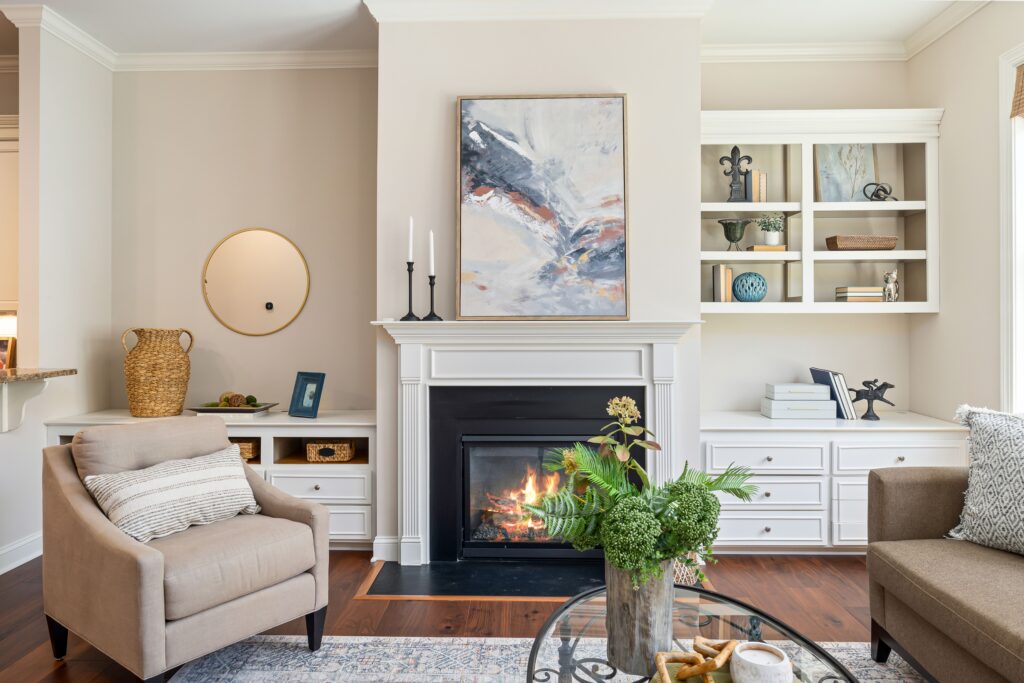
In recent years, the Danish concept of hygge has gained global popularity, influencing how people design and experience their living spaces. Centered on comfort, warmth, and well-being, hygge encourages the creation of environments that feel calm, inviting, and connected to everyday pleasures. Many have embraced this philosophy not only in lifestyle choices but also in interior design—favoring natural light, soft textures, and a closer relationship with nature.
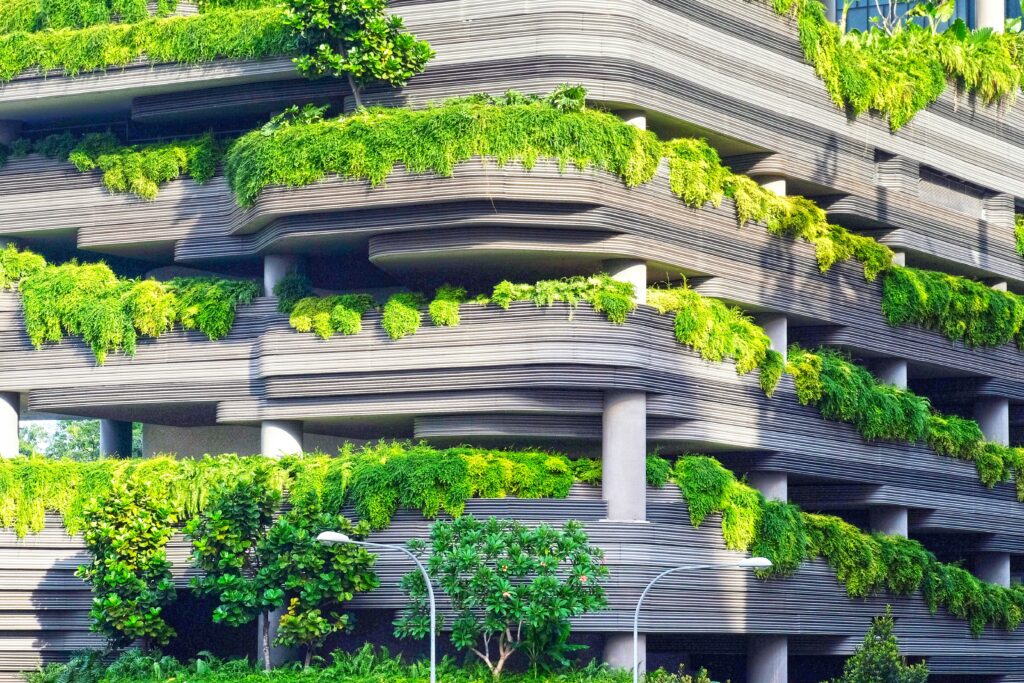
As this mindset evolves, it is increasingly intersecting with biophilic architecture, a design approach that seeks to strengthen the connection between people and the natural world. One architectural feature gaining attention in this context is the use of curved windows. More than just a stylistic element, curved windows help blur the boundaries between indoor and outdoor spaces while supporting sustainable design strategies. For architects and designers focused on environmental performance and human well-being, they offer both aesthetic and functional advantages.
Seamless Transition Between Indoor and Outdoor Spaces
A defining principle of biophilic design is the seamless integration of interior and exterior environments. Curved windows play a significant role in achieving this by softening the physical and visual barriers that typically separate indoor spaces from the outdoors. Unlike flat panes that frame views in rigid rectangles, curved glass expands sightlines and creates a more immersive visual experience.
This subtle shift allows occupants to feel more connected to surrounding landscapes, whether it’s a garden, skyline, or natural scenery. Curved windows are custom-built to suit every architectural requirement, and the gentle curvature can be made to mimic the organic shapes found in nature. This makes the transition between built and natural environments feel more fluid. As a result, spaces become less confined and more open, aligning with the core goals of biophilic design.
Maximizing Daylight and Reducing Energy Use
Natural light is a cornerstone of both sustainable and biophilic architecture. Curved windows enhance the distribution of daylight within a space by capturing light from multiple angles throughout the day. This reduces the need for artificial lighting, lowering energy consumption and contributing to overall efficiency.
In addition, modern curved glazing technologies offer improved insulation, helping regulate indoor temperatures. By minimizing heat loss in cooler climates and reducing heat gain in warmer conditions, these windows support energy-saving strategies without compromising comfort. For sustainability-focused projects, this balance between performance and design is essential.
Enhancing Airflow and Passive Design Strategies
Curved windows can also contribute to improved airflow and passive ventilation. Their shape can be strategically incorporated into building designs to guide air movement more effectively than flat surfaces. When paired with operable sections, they can enhance cross-ventilation, reducing reliance on mechanical cooling systems.
This aligns with passive design principles, which aim to use natural forces such as wind and sunlight to maintain comfortable indoor environments. By integrating curved elements into façades and window systems, architects can optimize airflow patterns while maintaining the visual appeal of organic forms.
Use in Eco-Friendly Buildings and Green Certifications
As sustainability becomes a central focus in architecture, curved windows are increasingly being incorporated into eco-friendly buildings seeking green certifications such as LEED or BREEAM. Their ability to improve daylighting, support passive design, and enhance occupant comfort aligns with many of the criteria used in these certification systems.
Architects are also leveraging curved glass in innovative ways, from energy-efficient façades to dynamic building envelopes that respond to environmental conditions. These applications demonstrate how curved windows can contribute to both performance metrics and design excellence, making them a valuable asset in sustainable construction.
Long-Term Environmental Benefits of Nature-Integrated Design
The long-term environmental impact of biophilic design extends beyond immediate energy savings. By creating spaces that encourage a stronger connection to nature, architects can influence how people interact with their environments. This often leads to greater environmental awareness and more sustainable behaviors over time.
Curved windows, as part of this approach, help foster a sense of harmony between buildings and their surroundings. Their ability to integrate natural elements into everyday spaces supports not only ecological goals but also social and psychological well-being. Over time, this holistic approach to design can contribute to more resilient and sustainable communities.
Conclusion: Designing for Connection and Sustainability
Curved windows represent a powerful intersection of form, function, and philosophy. By blurring the boundaries between indoor and outdoor spaces, they embody the principles of both biophilic and sustainable design. From enhancing natural light and airflow to supporting human well-being, their impact extends far beyond aesthetics.
As trends like hygge continue to shape how people think about comfort and connection, the role of architectural elements such as curved windows will only grow. For green architects, engineers, and sustainability-focused designers, they offer a compelling way to create spaces that are not only efficient and innovative but also deeply connected to the natural world.